

APREN and IRENA studies highlight renewables as an economic driver and competitive energy solution
Two recent publications from the Portuguese Renewable Energy Association (APREN) and the International Renewable Energy Agency (IRENA) reinforce the role of renewable energy as both an economic driver and an increasingly competitive solution for energy systems.
In Portugal, the Impact Study of Renewable Energy, developed by EY‑Parthenon for APREN, shows that the sector contributed €5.34 billion to GDP in 2024, representing more than 1% of the national economy. The study also highlights the direct impact on reducing energy costs, with annual savings of up to €636 for households and more than €63,000 for companies, alongside significant growth in sector employment.
The analysis also points to strong growth potential through to 2040, with the contribution of renewable energy potentially increasing by more than 370%, provided that structural challenges related to permitting, grid reinforcement and storage capacity are addressed.
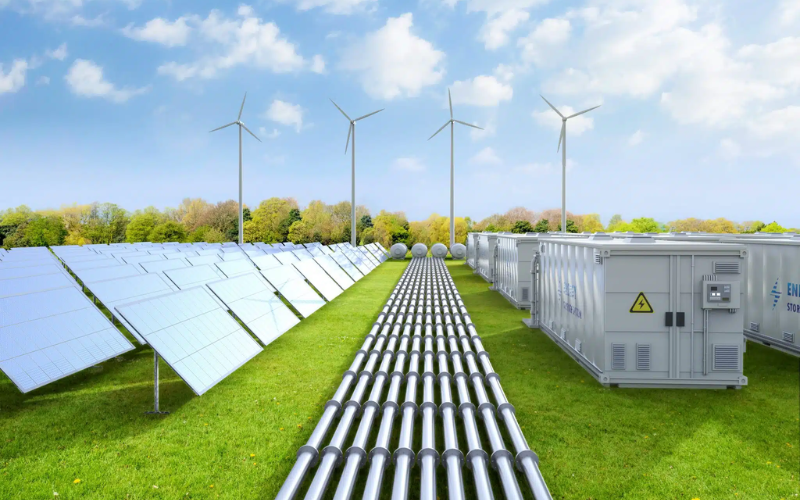
At the global level, IRENA’s report 24/7 renewables: The economics of firm solar and wind shows that hybrid systems combining solar, wind and battery storage can already deliver continuous renewable electricity (24/7) in a competitive way.
According to IRENA, in regions with strong solar and wind resources, these solutions can supply electricity at costs equal to or lower than those of new fossil‑fuel power plants, with “firm” electricity costs ranging between USD 54 and USD 82 per MWh, reflecting significant cost reductions driven by technological advances and falling storage costs.
The report concludes that technological and economic progress is helping to overcome the intermittency challenge of renewables, positioning these solutions as a reliable, competitive and strategic option for energy security and decarbonisation.
Moreover, IRENA has also published the report Sustainable Development Powered by Renewables: Cabo Verde, which highlights how renewable energy can help reduce dependence on imported fossil fuels, strengthen energy security and promote economic and social development, particularly in island contexts.
Taken together, these publications highlight a clear trend: renewable energy is consolidating its role not only as a response to climate challenges, but as a central pillar of economic competitiveness and energy system transformation.