

Mozambique reaches 70.3% electricity access and turns to geospatial planning to achieve universal access by 2030
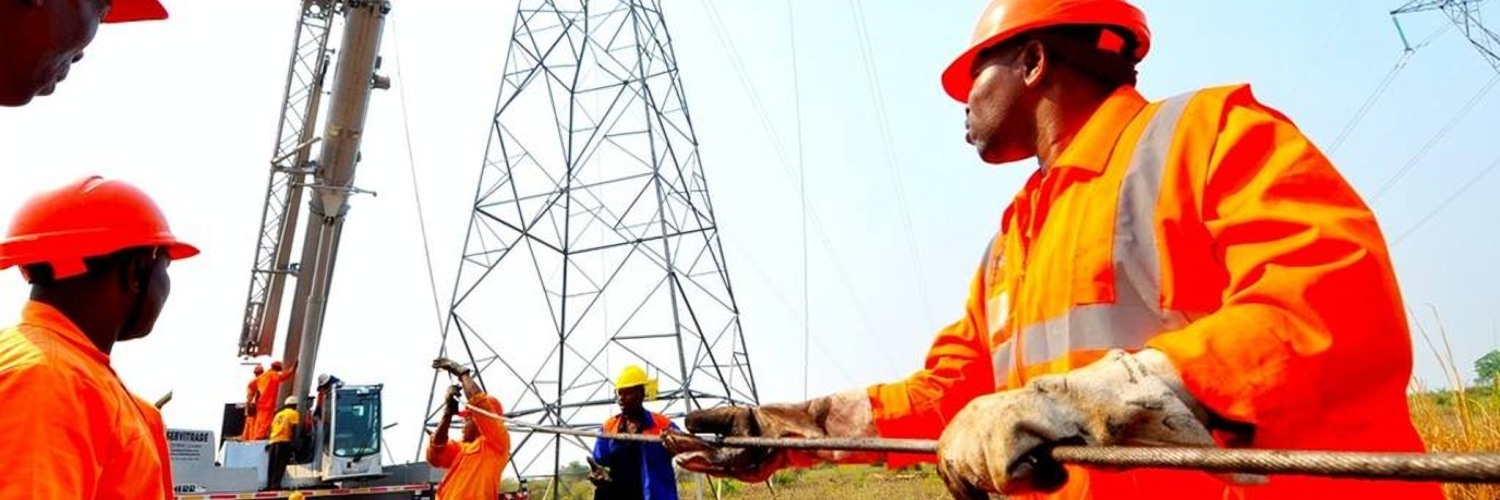
Mozambique reached an electricity access rate of 70.3% in the first half of 2026 and is adding around 400,000 new connections per year. The figures were presented by the National Directorate of Energy at the Annual High-Level Meeting of Energy Sector Cooperation Partners (Energy Sector Working Group), the coordination platform between the Government and the sector’s cooperation partners.
This figure confirms the growth trend recorded in the previous year. According to the “Briefing: Renewables in Mozambique 2025”, published by ALER and AMER, the country’s electrification rate had risen to 66.4% in 2025.
According to the National Director of Energy, Marcelina Mataveia, the current result reflects the expansion and densification of the National Electricity Grid and the growth of off-grid solutions, such as mini-grids and solar home systems, in areas without grid connection. This approach is part of the National Energy for All Programme, launched by the Government in 2018, which aims to achieve universal access to electricity across the country by 2030 (read more here).
To accelerate progress, the Ministry of Mineral Resources and Energy (MIREME) launched the National Geospatial Least-Cost Electrification Plan 2026-2030 in Maputo on 6 November. The plan uses advanced modelling and geospatial data to define the most efficient combination of grid extension and decentralised solutions, based on the characteristics of each settlement. The Minister of Mineral Resources and Energy, Estêvão Pale, stated that the plan should ensure that every metical invested in electrification has the greatest possible social and economic impact, at the lowest cost per connection. The initiative is funded by the World Bank, with technical assistance from Sustainable Energy for All (SEforALL) (read more here).
The Integrated Electrification Platform of Mozambique (PIEM) was launched on the same occasion. The platform gathers and harmonises sector information, using interactive maps and dashboards to track projects, identify needs and improve coordination among MIREME, ARENE, EDM, FUNAE, the private sector and cooperation partners. PIEM had first been presented as a proposal at the 3rd Bi-Annual Off-Grid Energy Forum, held in Maputo on 8th and 9th October and organised by MIREME in collaboration with FUNAE and AMER (read more here).
During the presentation, the Minister invited the private sector and financial institutions to use PIEM to identify investment opportunities. He also called on sector institutions to adopt the new tools and keep their data up to date. According to MIREME, the platform is expected to reduce duplication of initiatives and improve transparency and investment monitoring, for both the national grid and decentralised solutions.