

Timor-Leste presents progress in the energy sector in the 2027-2030 National Plan and formalizes an agreement for a wind project
Timor-Leste is strengthening its commitment to economic diversification, energy transition and regional integration through a series of initiatives that mark a new phase in the country's development. The launch of the 2027-2030 National Medium-Term Plan (PMP), the preparation of wind energy projects and participation in the 44th ASEAN Energy Ministers Meeting reflect a strategy focused on sustainable growth, investment attraction and enhanced energy security. These initiatives come at a time of growing international engagement for the country, which currently holds the rotating Presidency of the CPLP.
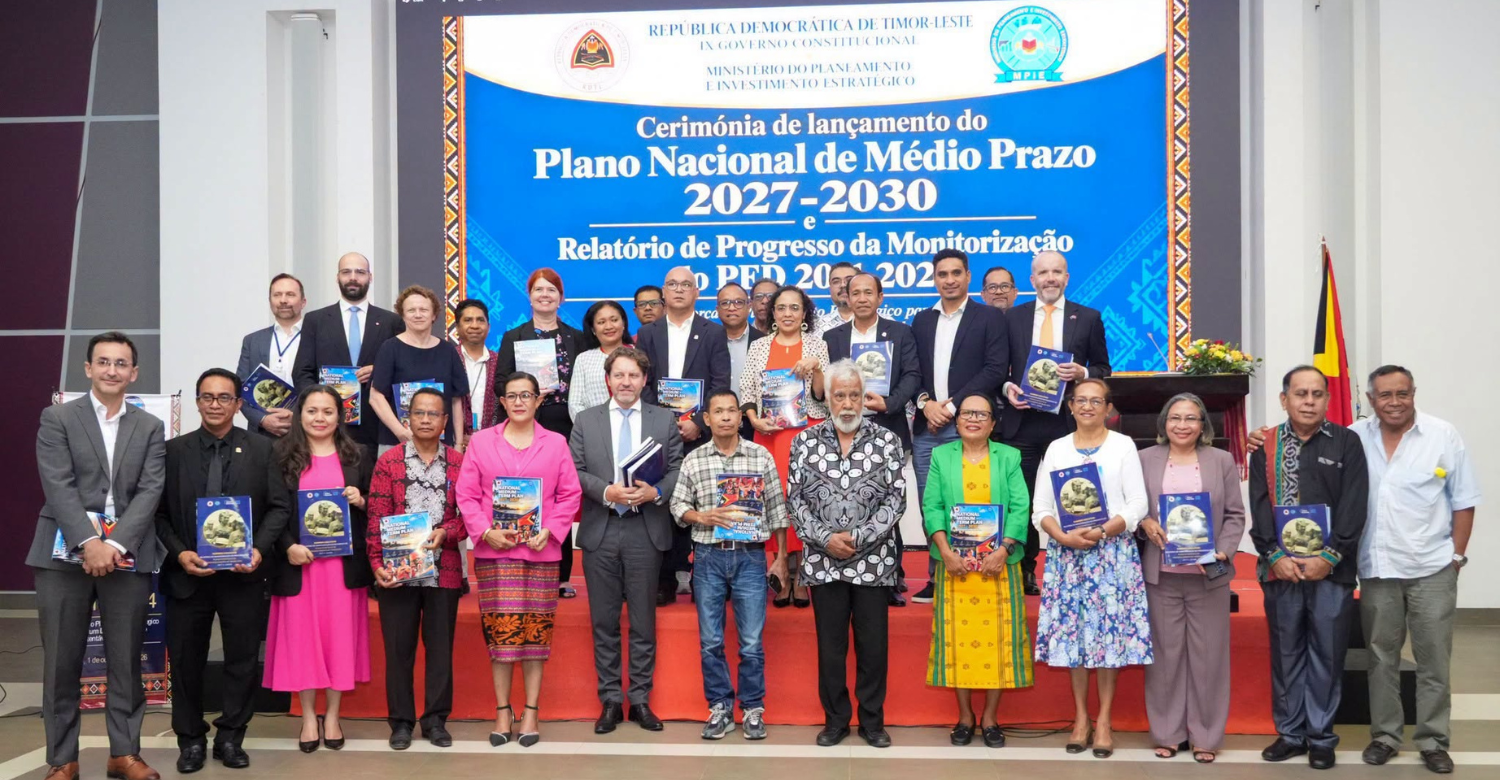
In early October, the Government of Timor-Leste launched the 2027-2030 National Medium-Term Plan (PMP) and presented the results of the monitoring of the Strategic Development Plan (SDP). The report highlights significant progress in strategic areas, including the expansion of electricity access to more than 99% of cities and villages, the development of transport and digital connectivity infrastructure, and improvements in several social indicators. Among the measures outlined in the Plan are public-private partnerships and the development of renewable energy projects [read here].
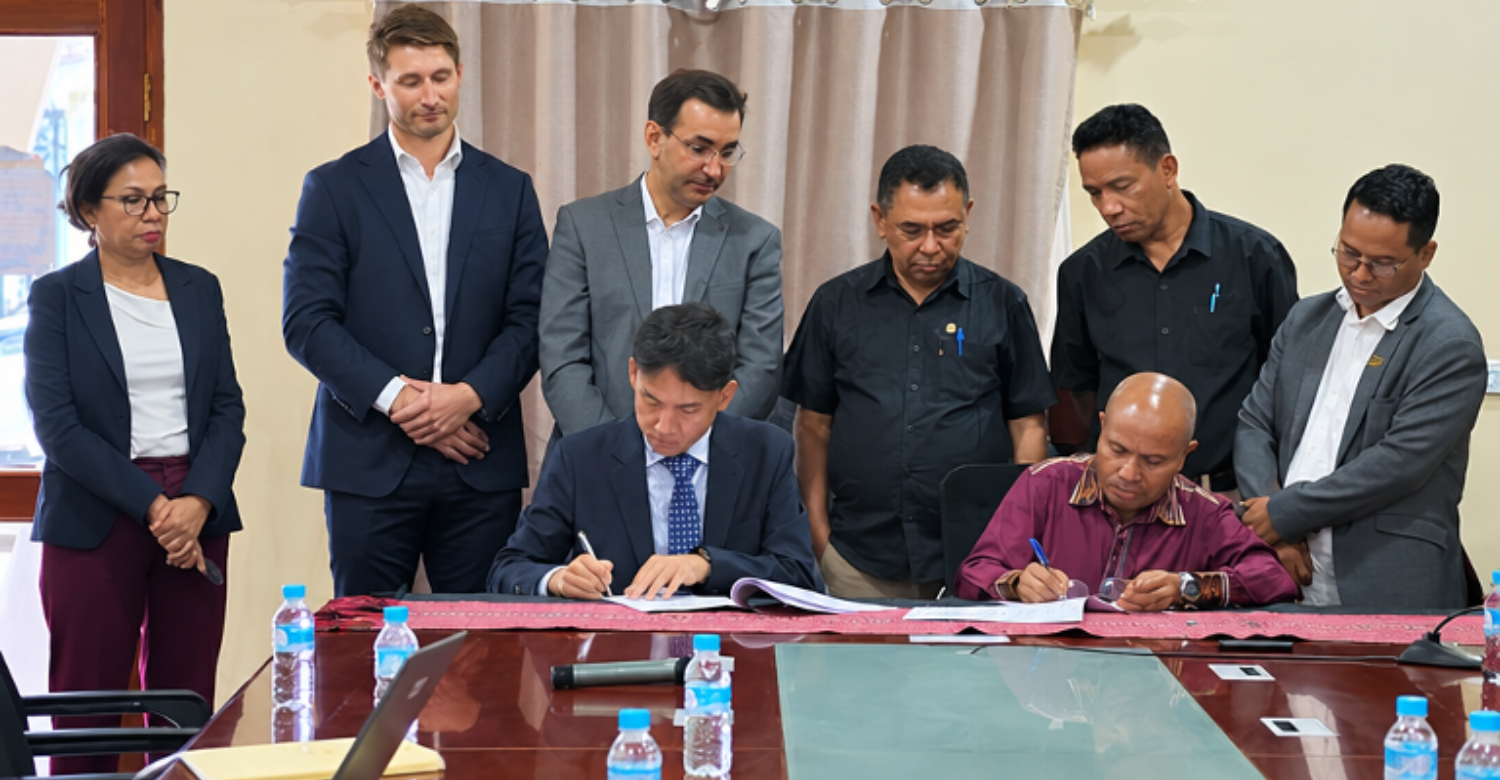
In this context, the Ministry of Public Works and the Electricity of Timor-Leste (EDTL, EP) formalized a technical assistance agreement with the International Finance Corporation (IFC), a member of the World Bank Group, to prepare wind energy projects in the municipalities of Viqueque and Bobonaro. The projects are expected to be developed under the Independent Power Producer (IPP) model, helping to mobilize private investment and expand the country's renewable generation capacity [read here].
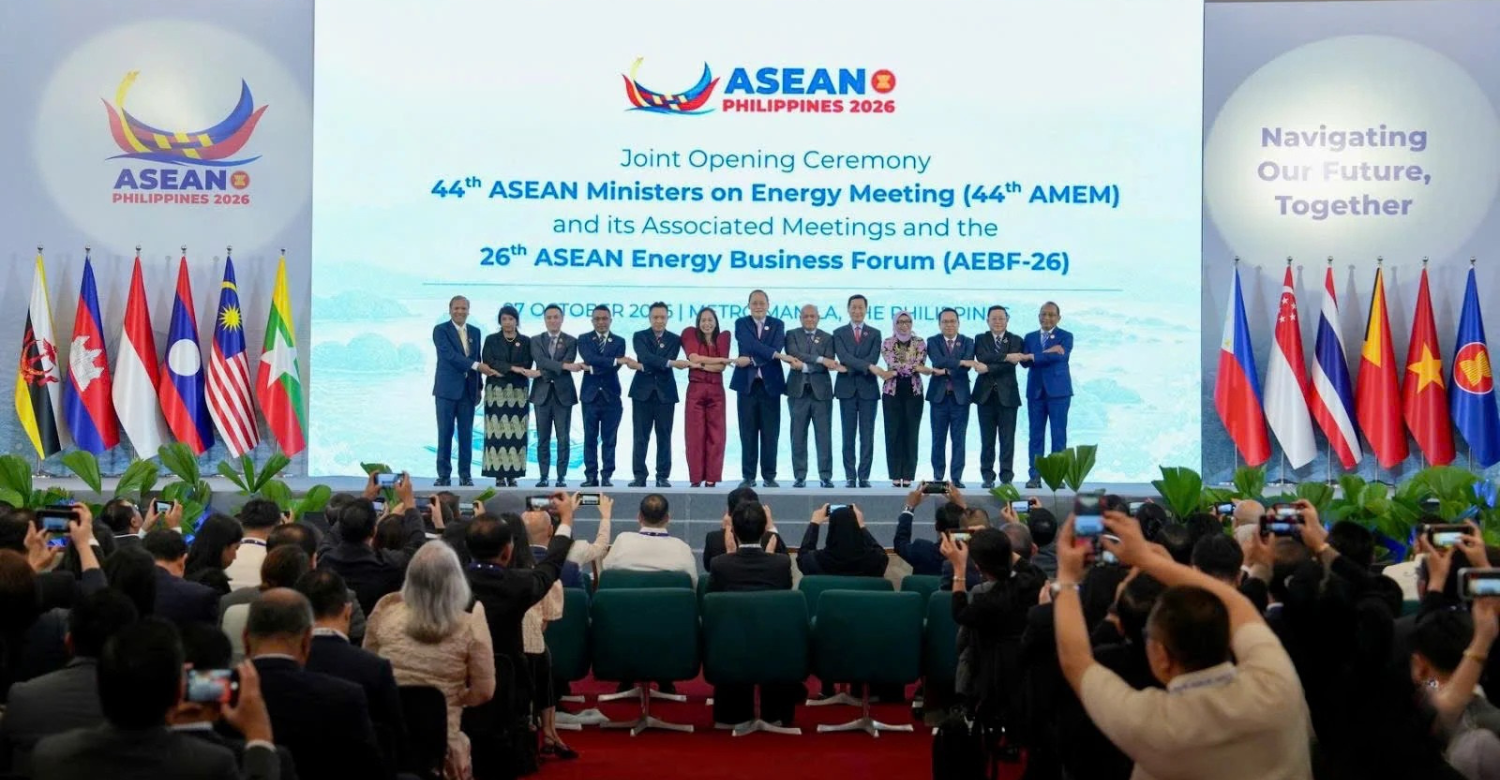
The strengthening of the energy sector was also reflected in Timor-Leste's participation in the 44th ASEAN Energy Ministers Meeting, held in Manila. This marked the country's first participation as a full member of the organization, with discussions focusing on regional priorities related to energy security, connectivity and energy transition. During the meeting, Timor-Leste also received support to deepen its integration into regional energy cooperation mechanisms [read here].
Taken together, these developments demonstrate Timor-Leste's commitment to a development model based on infrastructure modernization, the expansion of renewable energy, private investment mobilization and strengthened regional cooperation, in line with the objectives set for the 2027-2030 period.