

ALER participates in the 2026 Lusophone Africa Investment Forum
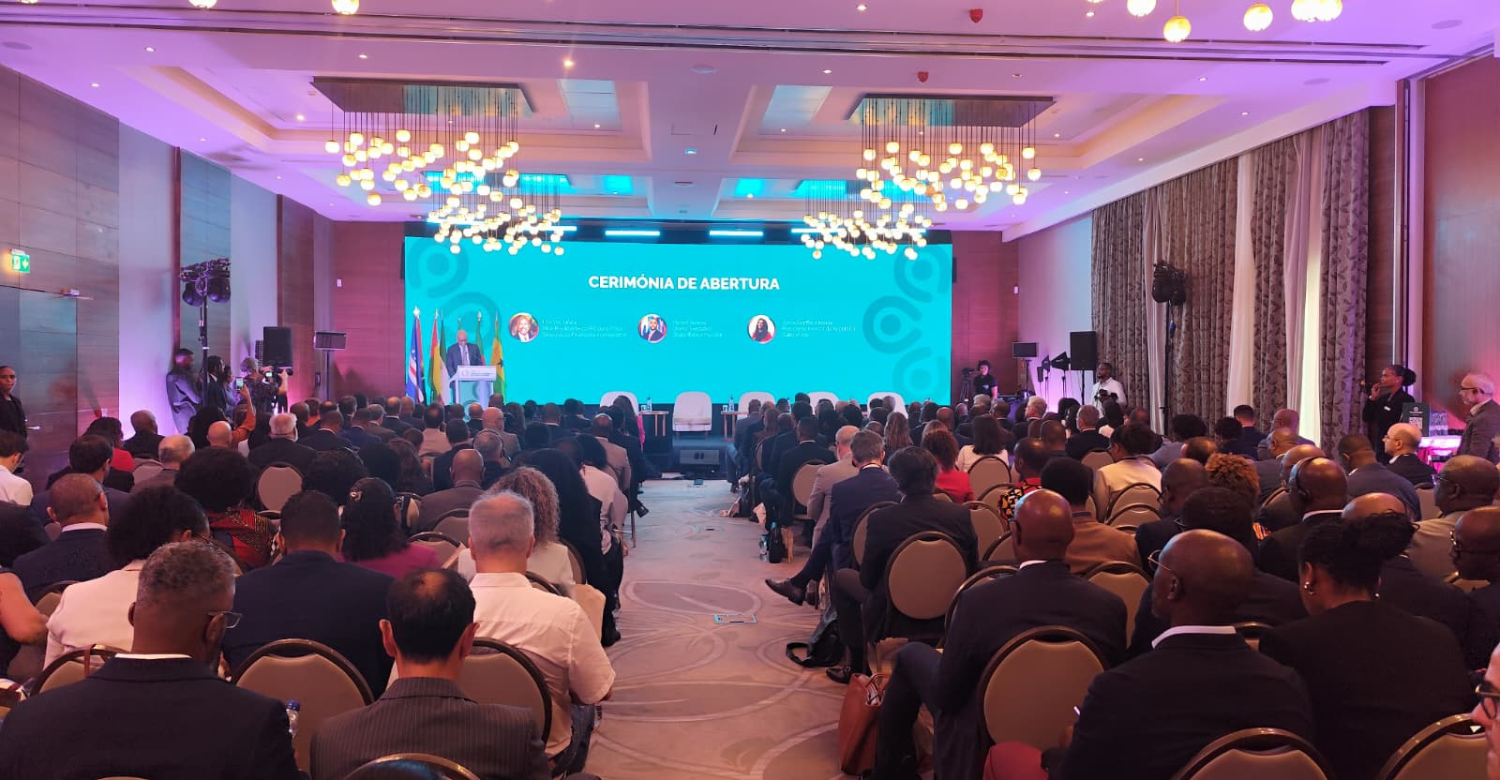
For the second consecutive year, ALER participated in the 2026 Lusophone Africa Investment Forum, held on 26th and 27th October in the city of Praia, Cabo Verde. The event brought together governments, international financial institutions, investors and companies to discuss investment and cooperation opportunities across Portuguese-speaking African countries.
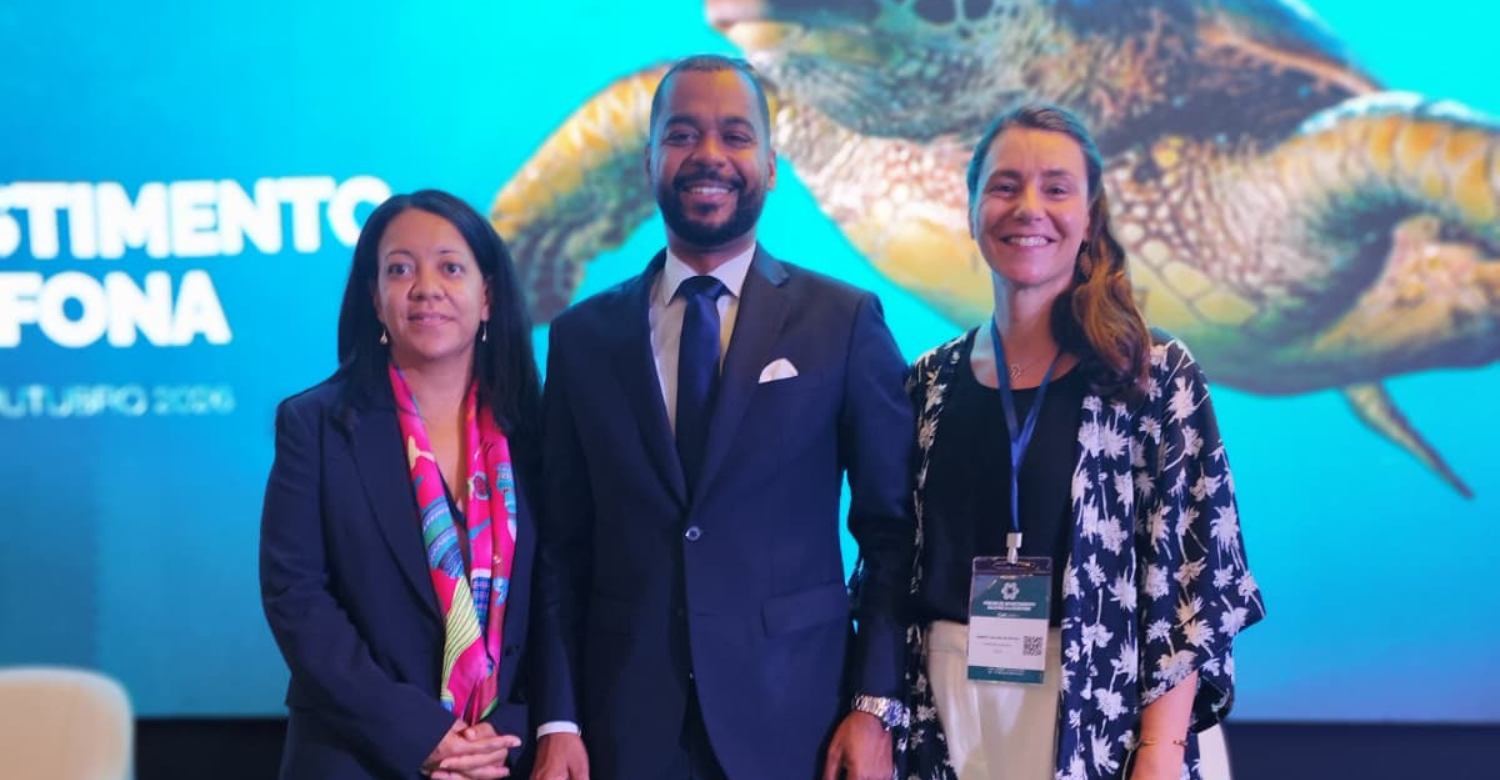
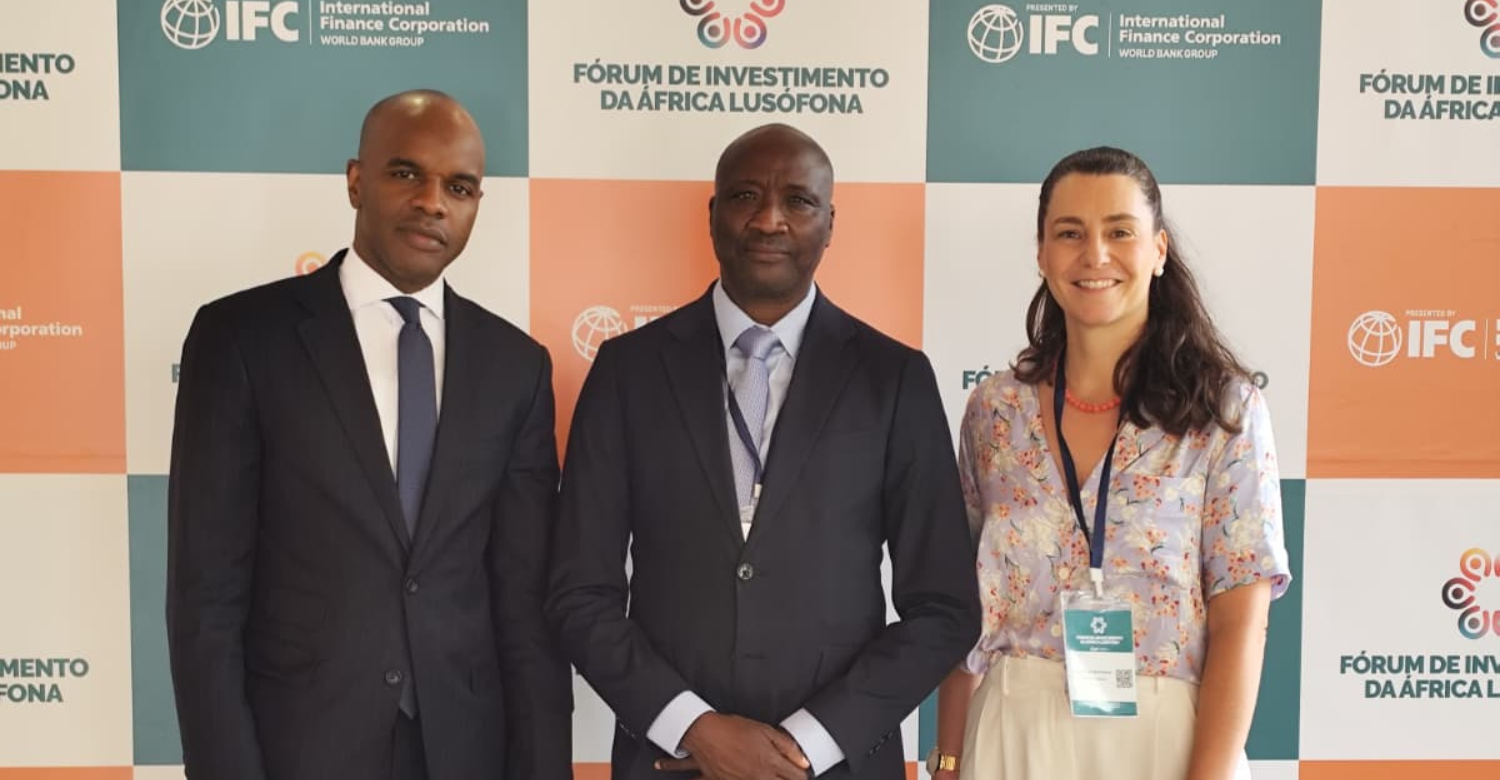
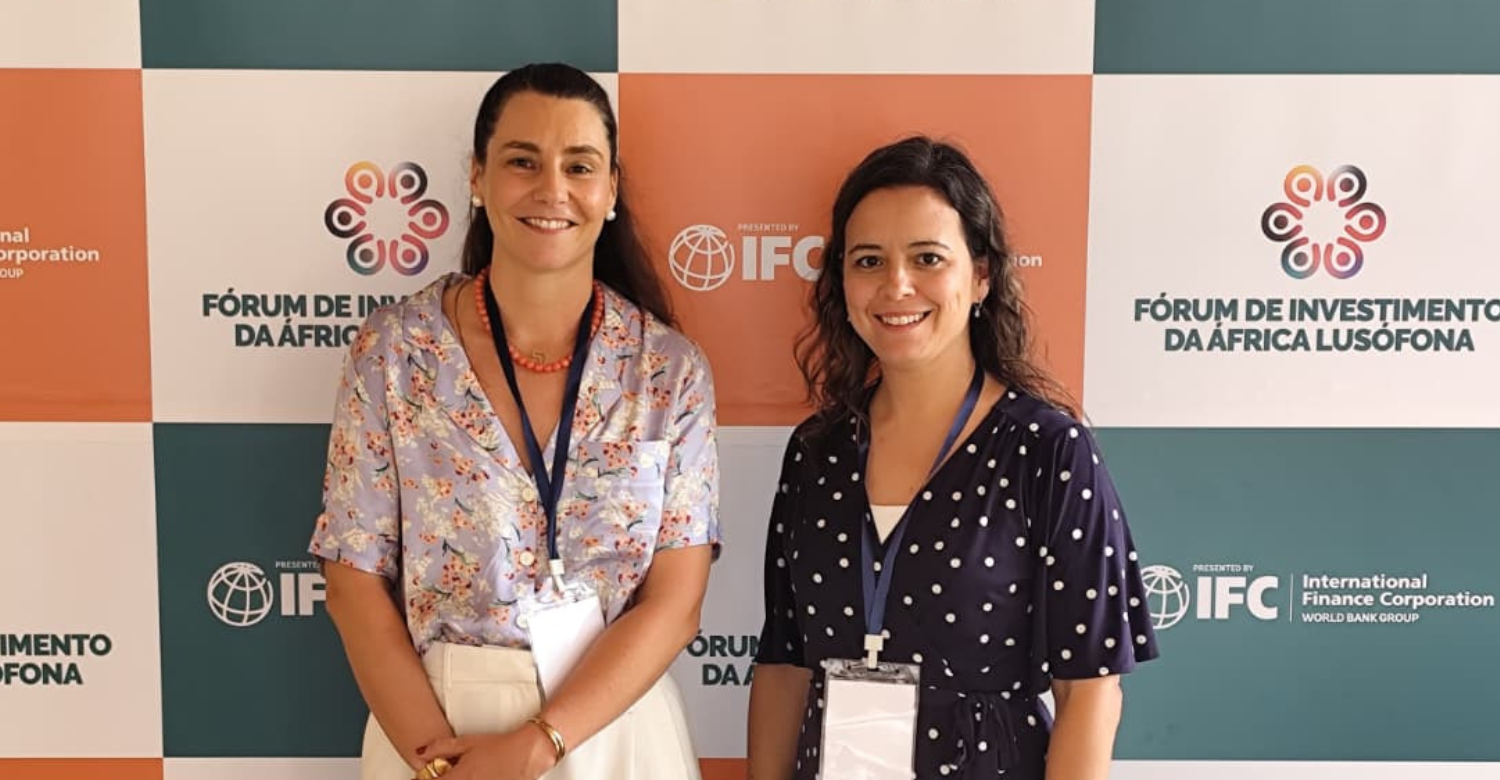
ALER was represented by its Executive Director, Isabel Cancela de Abreu, taking part in the discussions alongside several Members, including Source Energia, PLMJ, Linklaters and APP – Águas de Ponta Preta, as well as representatives from the Ministries of Energy of Angola, Cabo Verde and Guinea-Bissau (Honorary Members).
During the opening session, Ethiopis Tafara, Vice President of the International Finance Corporation (IFC), highlighted the potential of Lusophone Africa to attract private investment, advocating for greater market integration among Portuguese-speaking countries and the development of economic corridors capable of driving strategic sectors such as energy, agribusiness and tourism.
Likewise, Harold Tavares, Executive Director of the World Bank Group, emphasized the need to mobilize private investment to address development and job creation challenges in Africa. He advocated the creation of a Lusophone Atlantic Corridor linked to Mozambique’s Indian Ocean coast and proposed the establishment of a Lusophone hub within the World Bank Group to connect investors and business opportunities across Africa, Europe and Latin America.
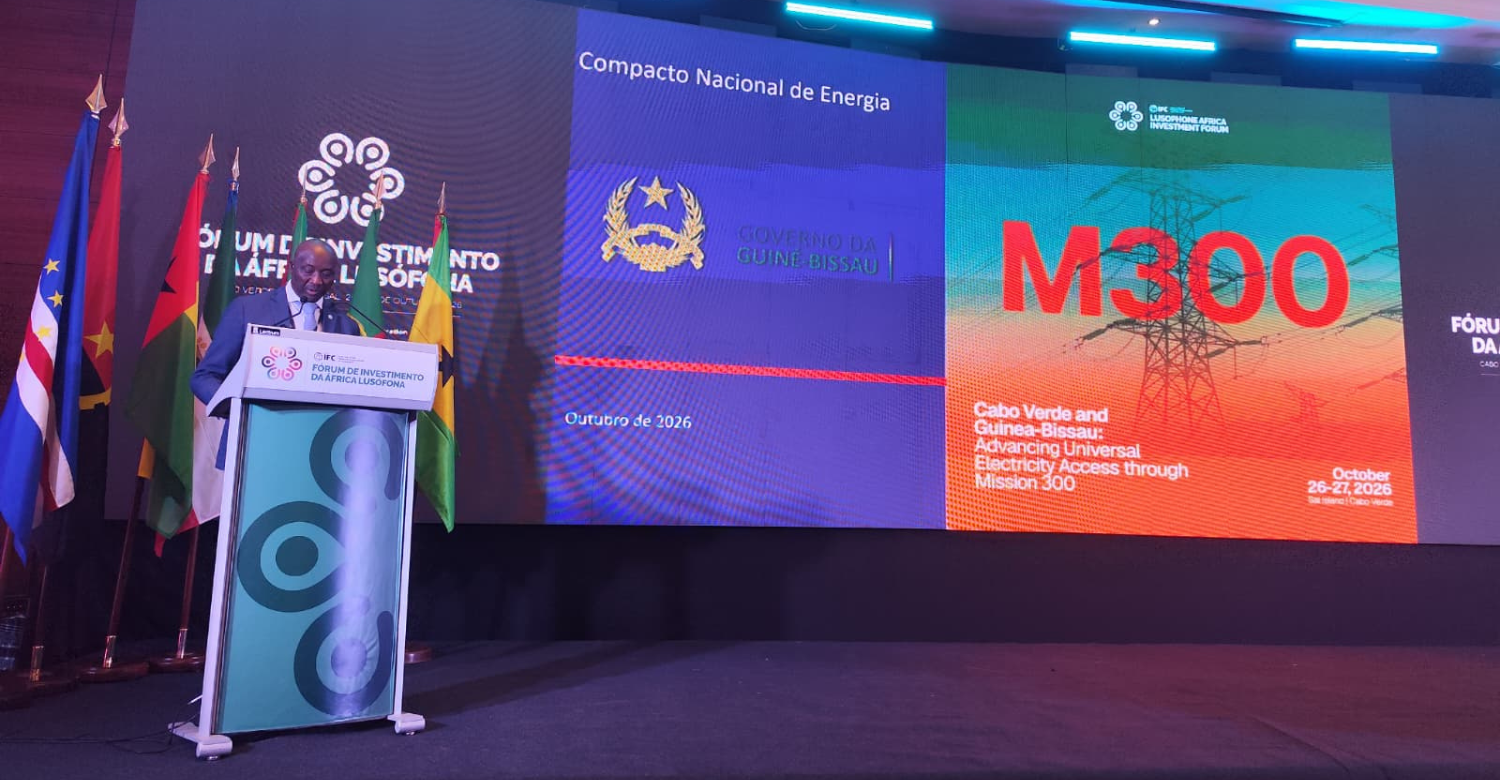
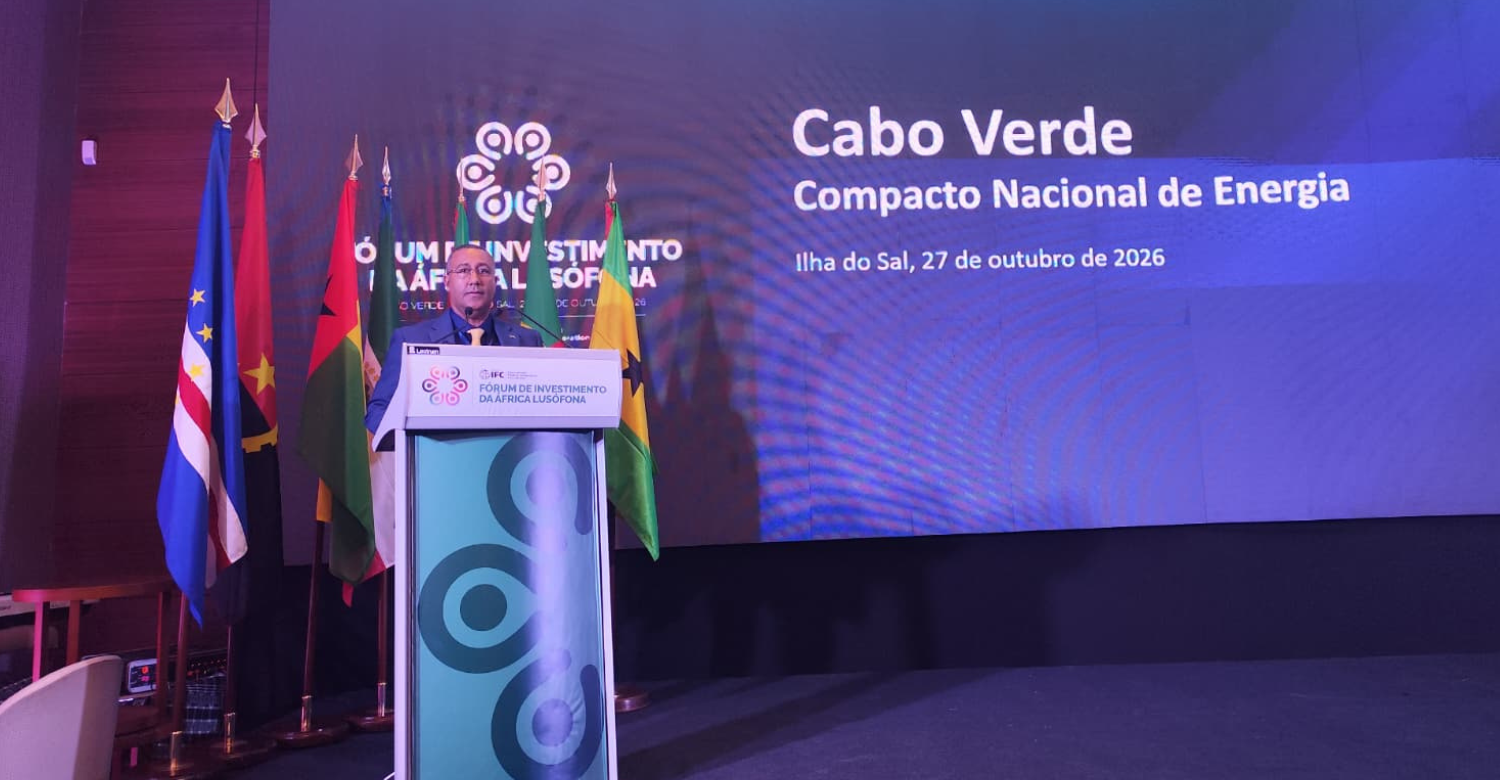
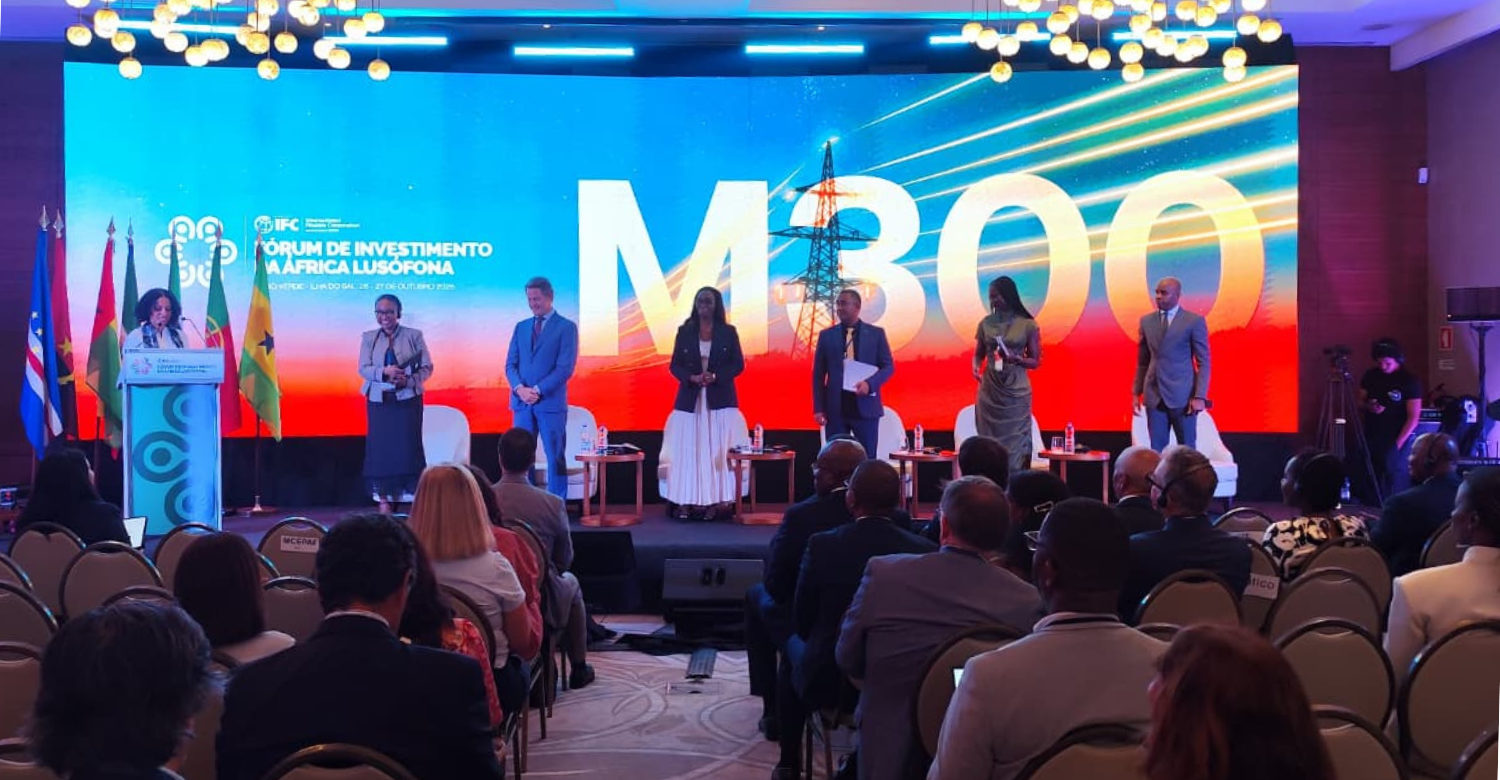
One of the highlights of the Forum was the presentation of the National Energy Compacts of Cabo Verde and Guinea-Bissau under the Mission 300 initiative, in a panel that also featured the participation of Pedro Coutinho, from Source Energia and a Member of ALER’s Board of Directors.
Guinea-Bissau presented its ambition to accelerate access to electricity, currently close to 40%, and achieve universal access by 2030, five years ahead of its national target. To this end, the Compact establishes an investment portfolio estimated at approximately USD 664 million, of which at least 30% is expected to be mobilized from the private sector by 2030.
Meanwhile, Cabo Verde, with an electricity access rate close to 97%, reaffirmed its objective of achieving universal access by 2028 and reaching 70% renewable energy by 2031 and 100% by 2040, supported by modern grids and energy storage systems. The country foresees investments of approximately USD 520 million, half of which is expected to be mobilized from the private sector.
The Angolan energy sector was also highlighted during the Forum. In a panel dedicated to the energy transition, Angola presented the progress achieved in recent years and its objective of reaching 10 GW of installed capacity by 2027, with 77% renewable energy in its electricity mix, including 15% solar energy. Ongoing regulatory reforms aimed at facilitating private sector participation were also highlighted, as well as the importance of regional electricity transmission corridors for integration into African power markets.
Despite their different national realities, Angola, Cabo Verde and Guinea-Bissau demonstrated a shared ambition: to accelerate energy access, mobilize investment and strengthen regional cooperation as drivers of economic and social development. Throughout the discussions, it became evident that energy will continue to play a central role in the economic transformation of Portuguese-speaking African countries.