

Angola’s installed electricity capacity grows by 3% since 2022, with renewables and sector reforms gaining momentum
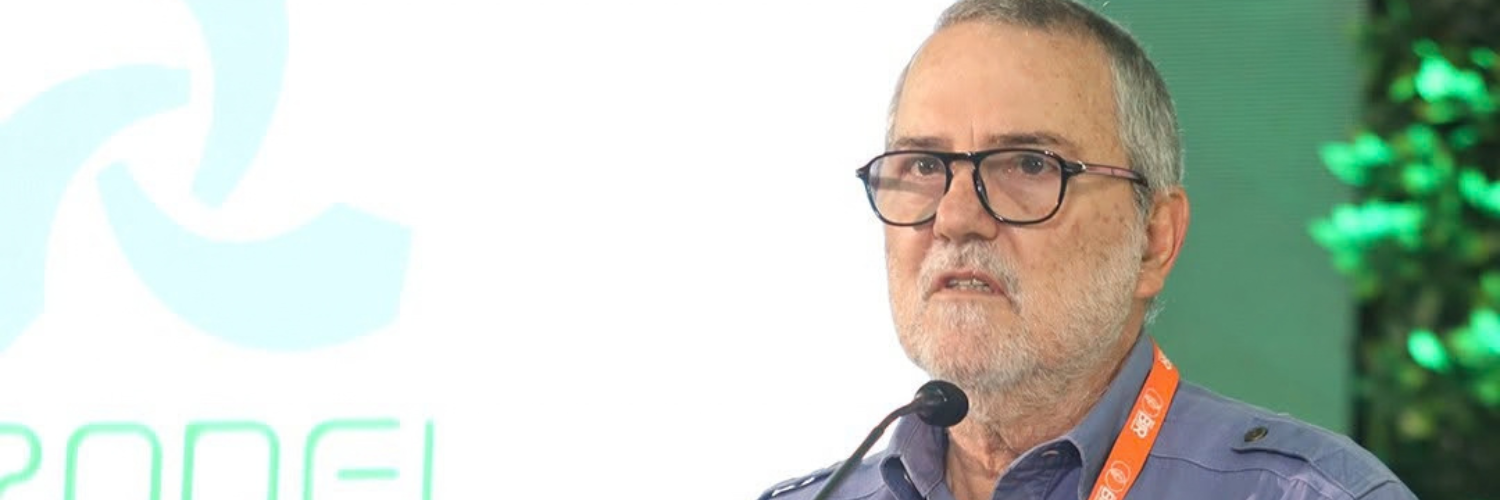
Angola’s installed electricity capacity reached 6,382 MW in July 2026, representing a 3% increase compared to 2022. The figures were presented by Victor Fontes, President of the Angolan Renewable Energy Association (ASAER), during the 4th Energy and Environment Forum, organized by Expansão newspaper in Luanda under the theme “Electricity Sector Reform and Public-Private Partnerships (PPPs)”.
Hydropower continues to dominate the country’s generation mix, accounting for around 59% of installed capacity, while thermal generation has declined by approximately 7% and now represents around 33%. Solar energy remains the fastest-growing source, increasing from 221 MW to 422 MW, almost doubling over the period and raising its share of installed capacity from 4% in 2022 to around 7%. Privately financed solar capacity also expanded, increasing from 25 MW to 60 MW [read more here].
Opening the forum, Arlindo Carlos, Secretary of State for Energy, stressed that increasing electricity generation alone is not enough and that energy must reach consumers with quality and reliability. Among the measures currently underway, he highlighted the modernisation of the Capanda Hydropower Plant, the deployment of Battery Energy Storage Systems (BESS), the development of the off-grid solar plants of Cazombo and Luau, and regional interconnections with Namibia through the Southern African Power Pool (SAPP) and with the Democratic Republic of the Congo through the Central African Power Pool (PEAC).
The Secretary of State also noted that Angola’s legal framework already allows private investment across the entire electricity value chain through Independent Power Producers (IPPs) and Public-Private Partnerships (PPPs). He added that new requests for large industrial loads of 50 MW or more are expected to incorporate co-investment or self-generation requirements [read more here].
During the roundtable session, representatives from ENDE, RNT, PRODEL, Mitrelli and the National PPP Directorate presented proposals aimed at strengthening power distribution and improving the financial sustainability of the sector. These included improving service quality, gradually aligning tariffs with costs, promoting regular payment for electricity consumed, opening the market to new distribution and retail operators through PPPs, and increasing the use of alternative energy sources and technology to reduce technical losses [read more here].