
Angola accelerates energy transition with biofuels strategy and new solar investments
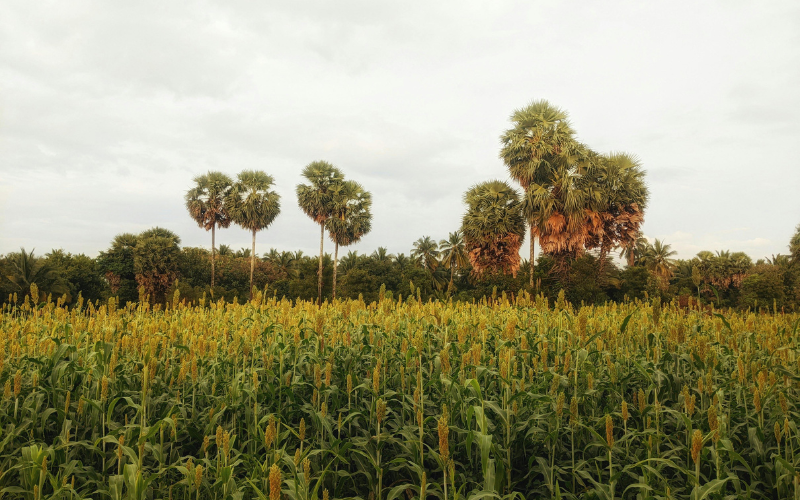
Angola is strengthening its energy transition strategy through two complementary fronts: the development of a national biofuels sector and the expansion of solar generation capacity. The National Biofuels Strategy 2025–2050 foresees the creation of around 2 million jobs by 2050 and the start of biofuel production as early as 2030, positioning this sector as one of the pillars of the country’s decarbonization and economic diversification. The document emphasizes that biofuels will be crucial to reducing emissions, multiplying revenue streams, reinforcing the energy matrix, and supporting Angola’s sustainable development.
To ensure the implementation of this vision, the Government is finalizing the Biofuels Bill, currently under review by the Economic Commission of the Council of Ministers. Among the contributions collected during the public consultation, key points include the need for an environmental protection plan, the selection of two pilot projects, the definition of interim targets up to 2035, strengthening sustainability criteria, and creating a technical capacity-building plan. This legislation also aims to lay the groundwork for the establishment of a biorefinery and to consolidate Angola as an African reference in bioenergy.
At the same time, the country is advancing the expansion of solar power generation. The concession of the Tômbwa and Chitunda solar plants was recently authorized, awarded to Masdar, in an initiative that strengthens the entry of major international investors into Angola’s renewable energy market. These projects, developed under a BOT (Build-Operate-Transfer) scheme, represent a strategic step to increase installed capacity, improve energy security, and accelerate the transition to clean energy sources, complementing the Government’s efforts to diversify the energy matrix.
The combination of new solar capacity with the development of the biofuels sector confirms Angola’s priority of building a more resilient, sustainable, and competitive energy system, with broad economic impact and social benefits across the country.