
Cabo Verde strengthens its energy system and reduces electricity tariffs by 7%
The Government of Cabo Verde confirmed a reduction of around 7% in electricity tariffs for households and businesses in 2026, marking the second consecutive cut and consolidating the impact of efficiency policies and the expansion of production from clean energy sources. The authorities stress that the decrease results from a strategy focused on greater energy efficiency and investment in renewable energy, with direct effects on economic competitiveness and household well-being.
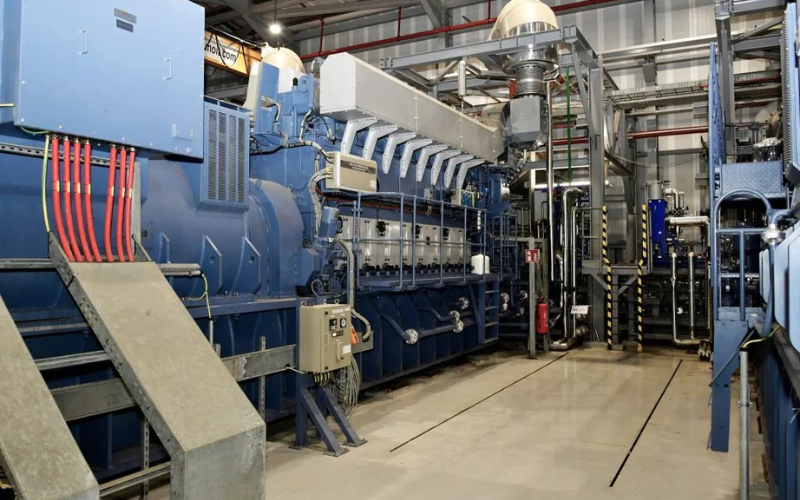
The recent boost to the sector became evident with the inauguration, on the island of Sal, of the expansion of the Palmeira Power Plant and a battery energy storage system (BESS). The investment, which doubles the island’s existing thermal capacity and increases sevenfold its renewable electricity storage capacity, was designed to integrate high levels of wind and solar generation, reducing operating costs and strengthening system stability. With the new battery park (valued at around €6 million) and the 5 MW solar park inaugurated at the end of 2024, the share of renewable energy on Sal is expected to exceed 40%, above the national average projected for 2026, set at 35%.
The focus on storage and more efficient power plants responds to the rapid growth in energy demand on the island of Sal, which, according to the Executive, has increased by around 60% since 2016, largely driven by tourism. The Government frames these projects within a long-term structural vision, combining support thermal generation (more efficient and prepared to operate with high renewable penetration), new solar parks and large-capacity batteries, to accelerate the energy transition and reduce dependence on fossil fuels.
In addition to the projects recently completed on Sal Island, Cape Verde continues to expand strategic infrastructure on other islands. One example is the inauguration, on Boa Vista Island, of Cabeólica’s Battery Energy Storage System (BESS), with a capacity of 6 MW/6 MWh, which strengthens the resilience of the island’s electrical system and helps enhance grid stability.
With these developments, Cabo Verde is accelerating the integration of renewables and creating the conditions for lower tariffs, implementing its energy transition programme. According to the Government, the strategy will continue with reforms in the electricity sector, new clean generation projects and additional storage solutions to ensure greater security, quality and predictability of the national electricity system.