

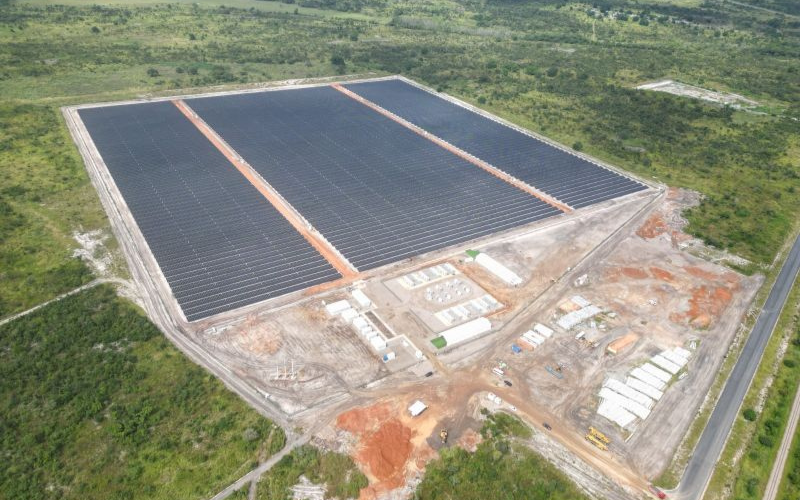
Luau Solar Park enters operation as part of Angola’s energy transition
The Luau Solar Photovoltaic Park, in Lunda‑Leste Province, is now fully completed and operational, already supplying electricity to the city of Luau. More than an isolated project, this infrastructure forms part of a broader transformation of Angola’s electricity system, based on the diversification of generation sources, the reduction of dependence on diesel‑fired thermal solutions, and the strengthening of the role of renewable energy.
Implemented by MCA (ALER Member), the entry into operation of the solar park contributes to improving the reliability and quality of electricity supply in a region that historically depended on thermal generation with high operating costs and significant environmental impact. By partially replacing these conventional solutions, the project enables emissions reductions, cost optimisation and enhanced sustainability of the local supply system.
This milestone is aligned with a broader national strategy for the expansion of solar photovoltaic energy, which includes multiple projects across different regions of the country. The investment in medium‑ and large‑scale solar plants aims not only to meet local demand, but also to reconfigure the national energy mix, increasing the share of renewables, strengthening energy security and supporting growing electricity demand.
At the same time, Angola has been advancing reforms and investments in the energy sector to modernize the generation mix, attract private investment and accelerate the energy transition. Ongoing initiatives include new renewable‑generation projects, hybrid solutions, improvements to transmission and distribution networks, as well as the strengthening of the institutional and regulatory framework.
In this context, the Luau Solar Park represents a concrete example of how solar energy is moving beyond a complementary role to become an integral part of the national electricity infrastructure. The project contributes to wider objectives of regional development, reduced inequalities in access to energy, and the construction of a more resilient, efficient and sustainable electricity system.
The commissioning of this plant therefore reinforces the trajectory of transformation of Angola’s electricity sector, demonstrating that the energy transition is being translated into tangible infrastructure with direct impacts on the territory, the local economy and the quality of life of communities.