
The energy transition is a strategic necessity for Cape Verde
Cape Verde’s energy transition, beyond being an environmental imperative, is above all a rational response to a structural vulnerability: the country’s dependence on imported fossil fuels to generate electricity, with direct impacts on prices, energy security, and economic competitiveness.
Given this dependence, the country is exposed to fluctuations in international fuel prices and pays a high cost as a result. Investing in renewable energy was therefore a decision of national interest, based on the smart use of resources that the country has in abundance: sun and wind.
With clear and ambitious targets, Cape Verde aims to exceed 50% of electricity generation from renewable sources by 2030 and approach 100% by 2040. To achieve these goals, the country has put in place appropriate planning instruments and mobilized strategic international partnerships.
The results are already becoming evident. The growing integration of renewable energy generation and storage technologies into the national electricity system is expected to enable the country to reach around 35% renewable penetration by 2026, reducing dependence on fossil fuels, lowering the sector’s structural costs, and increasing energy security. Alongside infrastructure expansion, there has been a strong focus on promoting energy efficiency and restructuring and reorganizing the electricity sector.
The introduction of storage systems, the modernization and digitalization of grids, the promotion of decentralized self-consumption solutions, the expansion of energy access in isolated communities, the development of electric mobility, the implementation of 100% LED public lighting, and institutional reform of the sector — including the functional unbundling of generation, transmission, and distribution activities and the creation of the National Electricity System Operator — are profoundly transforming the national power system.
In this context, the Santiago Pumped Storage Energy Project (PSP Santiago), included in the 2018–2040 Electricity Sector Master Plan and currently in the construction tender phase, stands out as the cornerstone infrastructure of the country’s future renewable-based electricity system. With an installed capacity of 20 MW and storage capacity of 180 MWh, it will help overcome the intermittency of solar and wind power, strengthen energy security, and enable renewable penetration levels above 50% by 2030. This investment, financed under the European Union’s Global Gateway partnership, demonstrates international confidence in Cape Verde’s energy policy vision and stability.
It is also important to highlight a structural achievement already attained: Cape Verde now has an electricity access rate above 96%, bringing it very close to universal access. There can be no energy transition without energy access, and the country has shown that it is possible to combine expanded access, social inclusion, and ambitious renewable energy growth.
At this stage, the challenge is no longer whether the country should continue on this path. That decision has been made. The real challenge is to accelerate with rigor, ensure the continuity of public policies, and balance long-term vision with tangible results in the present, ensuring that the benefits of the energy transition reach all of Cape Verdean society.
In this context, it is important to highlight the significant contribution of ALER in this process, as a facilitator of exchanges, knowledge sharing, information dissemination, and project promotion within the community of Portuguese-speaking countries (CLCP), marked by particularly dynamic and proactive engagement.
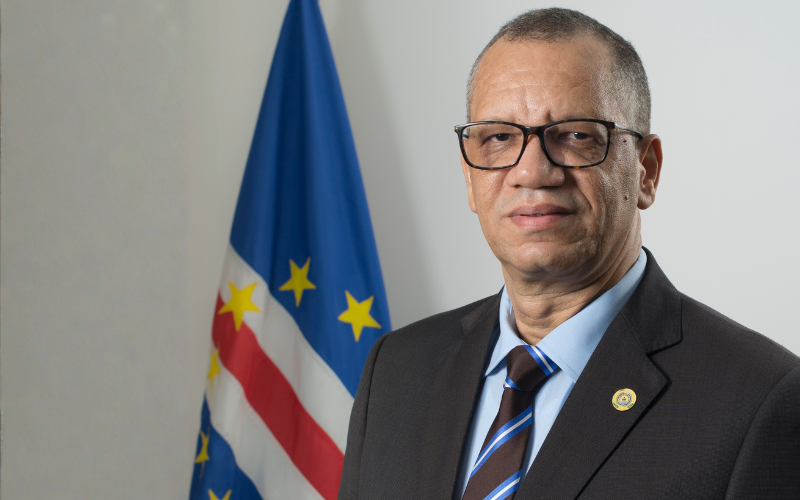
Alexandre Monteiro
Minister of Industry, Trade and Energy of Cape Verde